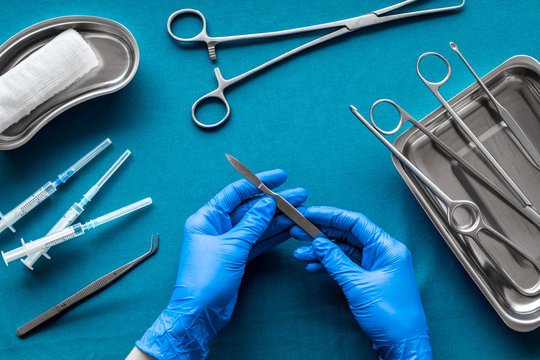
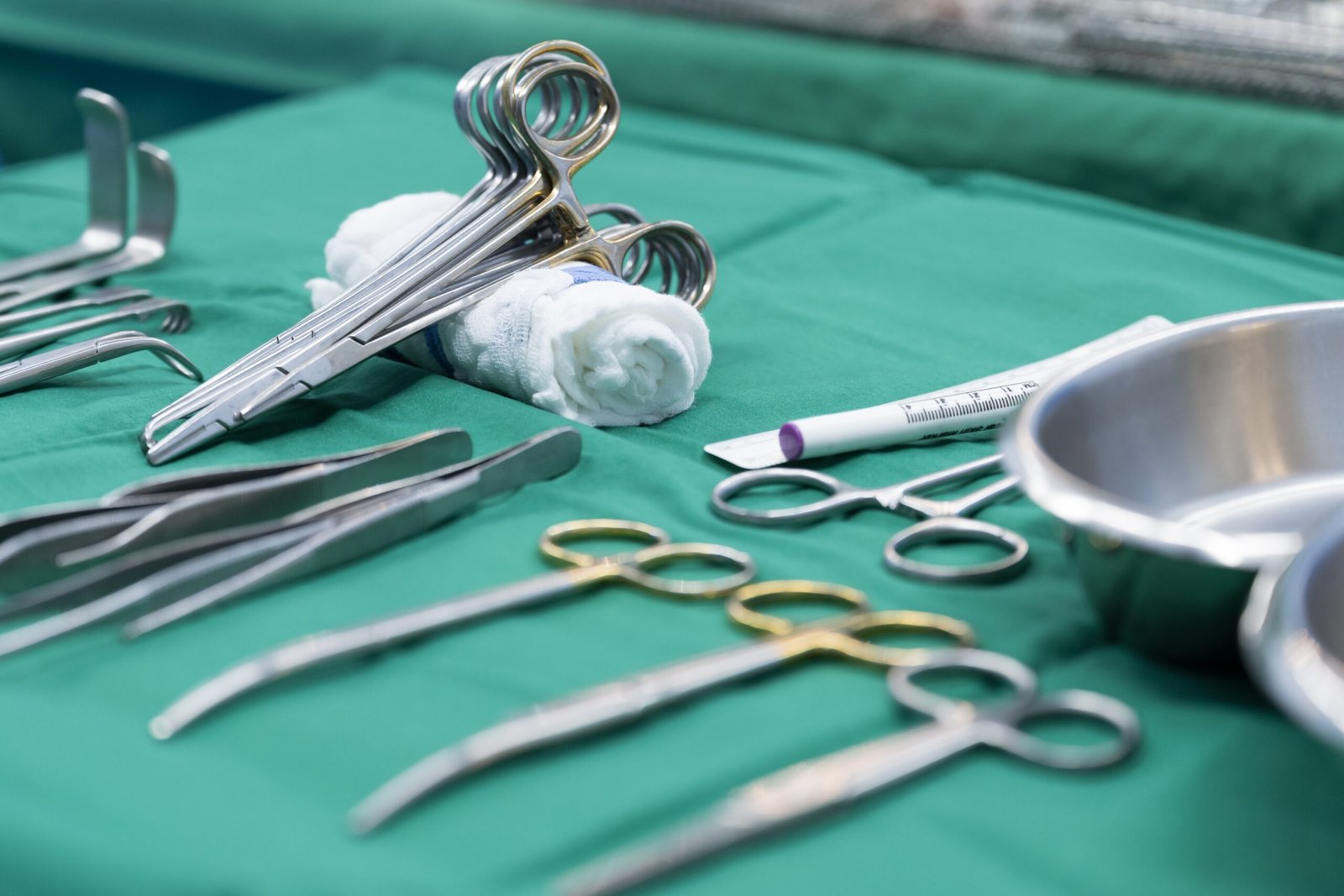
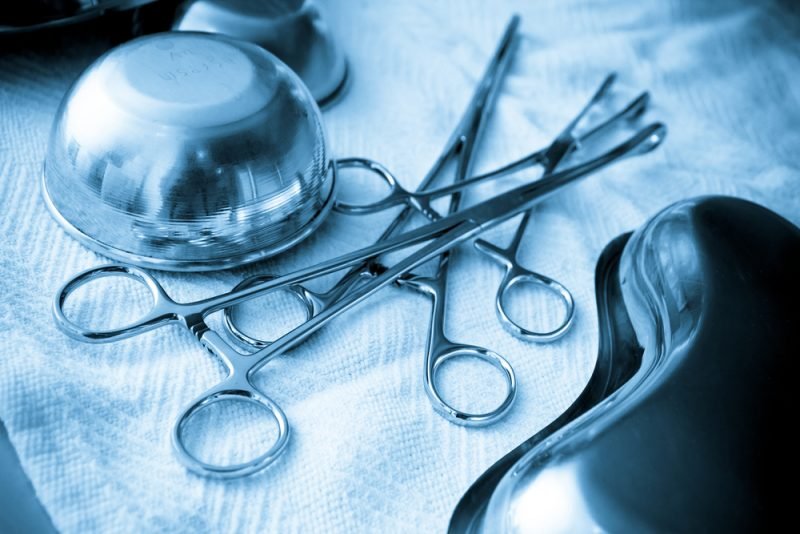
Surgical instruments are not designed for a single use. They must withstand rigorous conditions, from repeated autoclaving to constant handling during surgeries. Durability is key—premium surgical instruments are made to last, offering consistent performance over time. Materials like stainless steel, which is resistant to corrosion and wear, are commonly used in the manufacturing of these tools.
A durable instrument is also a safe one. Instruments that lose their sharpness or become compromised through wear and tear can lead to complications during surgery, such as unnecessary bleeding, longer recovery times, or even infection. By using high-quality, durable tools, surgeons can ensure that each procedure runs smoothly, reducing the likelihood of complications.
Beyond durability, these instruments also offer superior precision. For example, a fine-tipped forcep or scalpel enables a surgeon to make delicate incisions, minimizing tissue damage and accelerating healing time. This precision reduces recovery time and helps improve patient outcomes.